

Terry Stringer


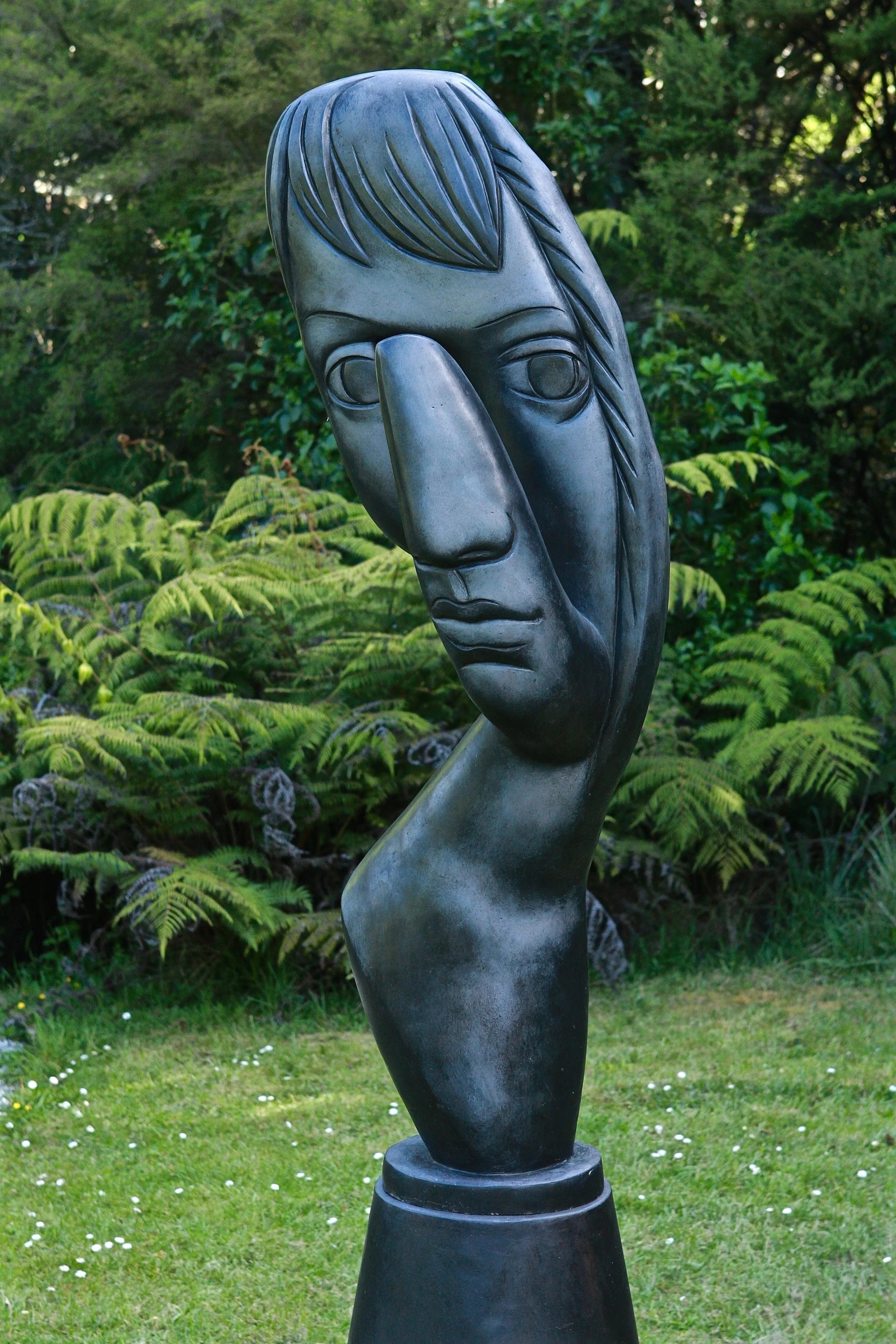
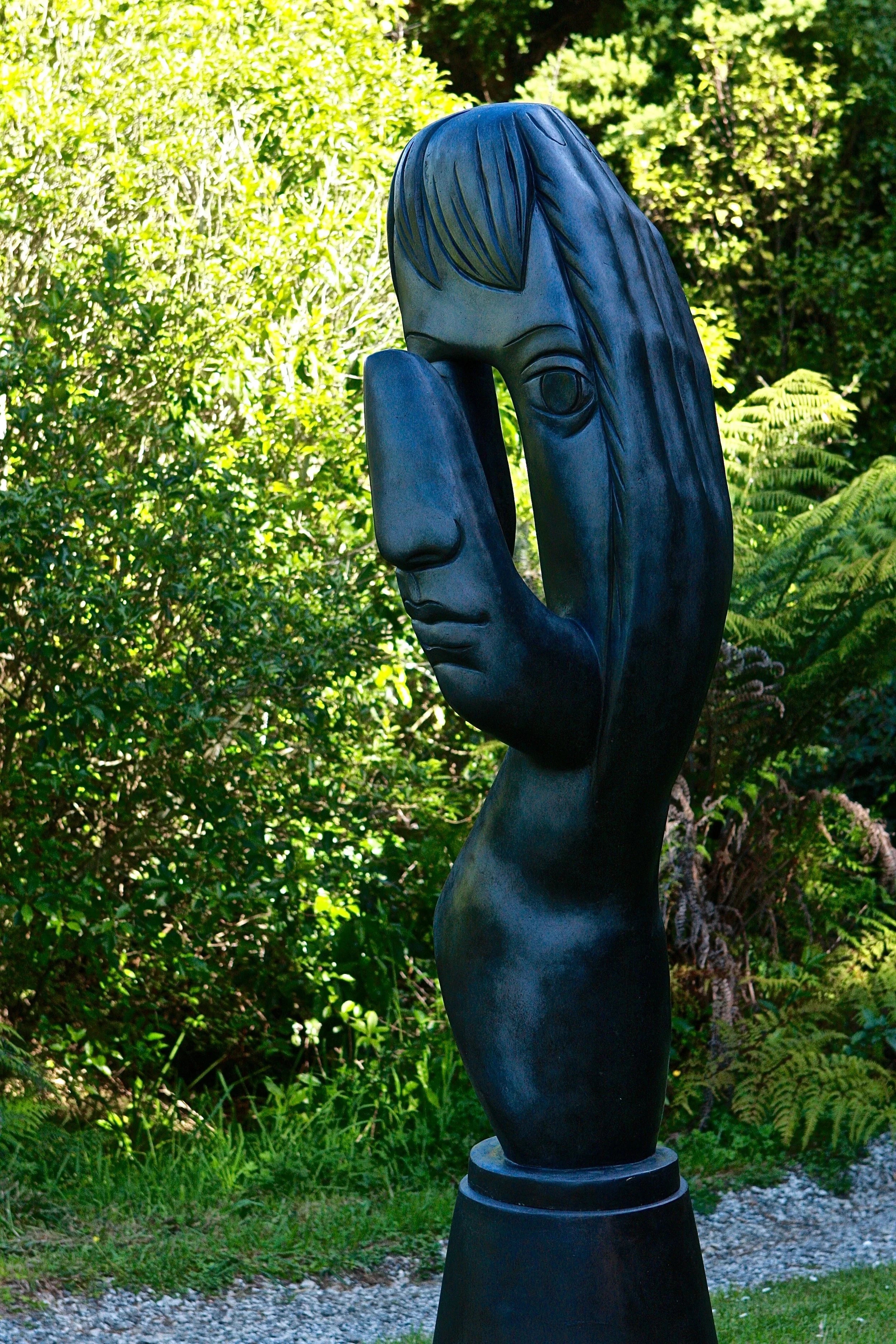
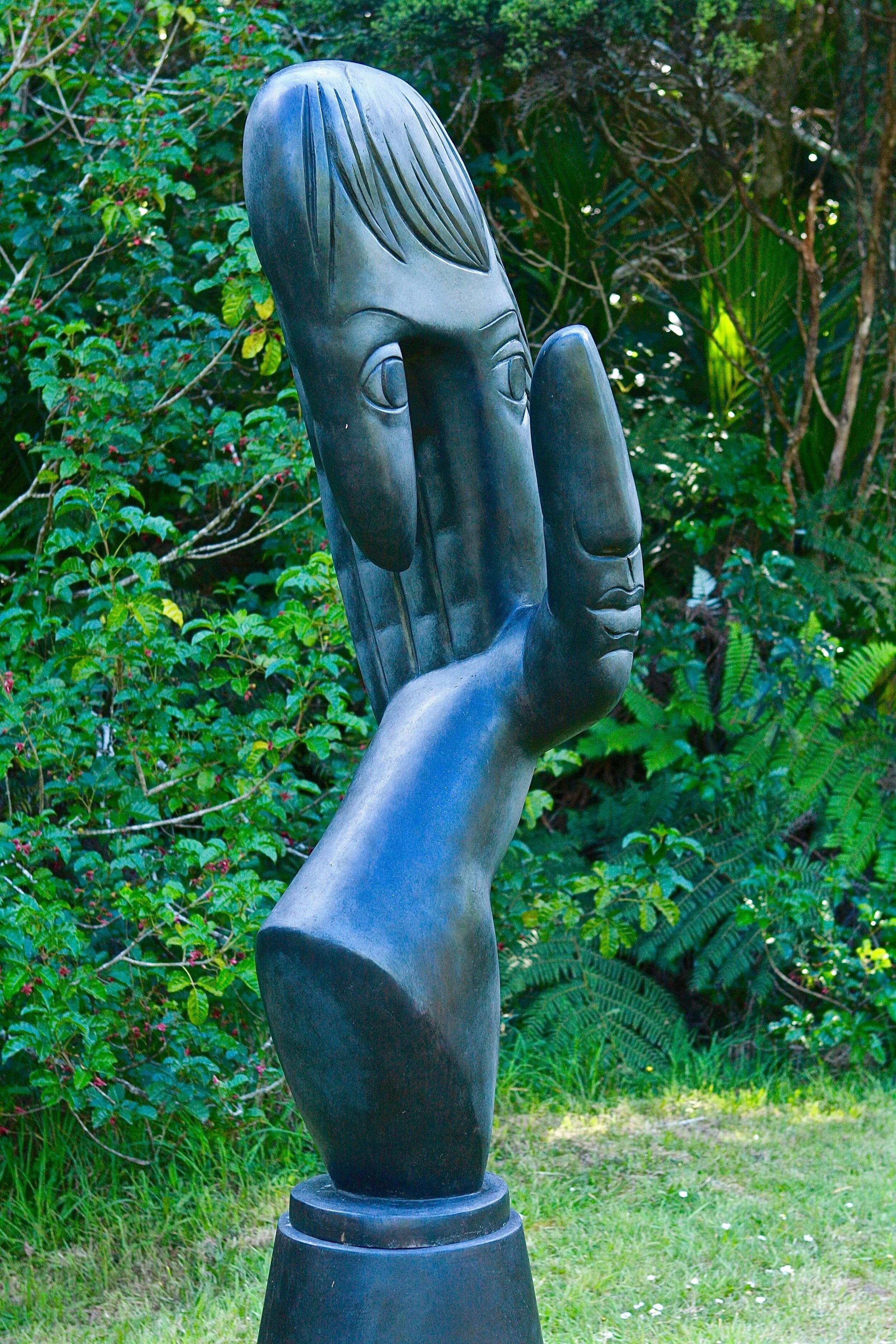
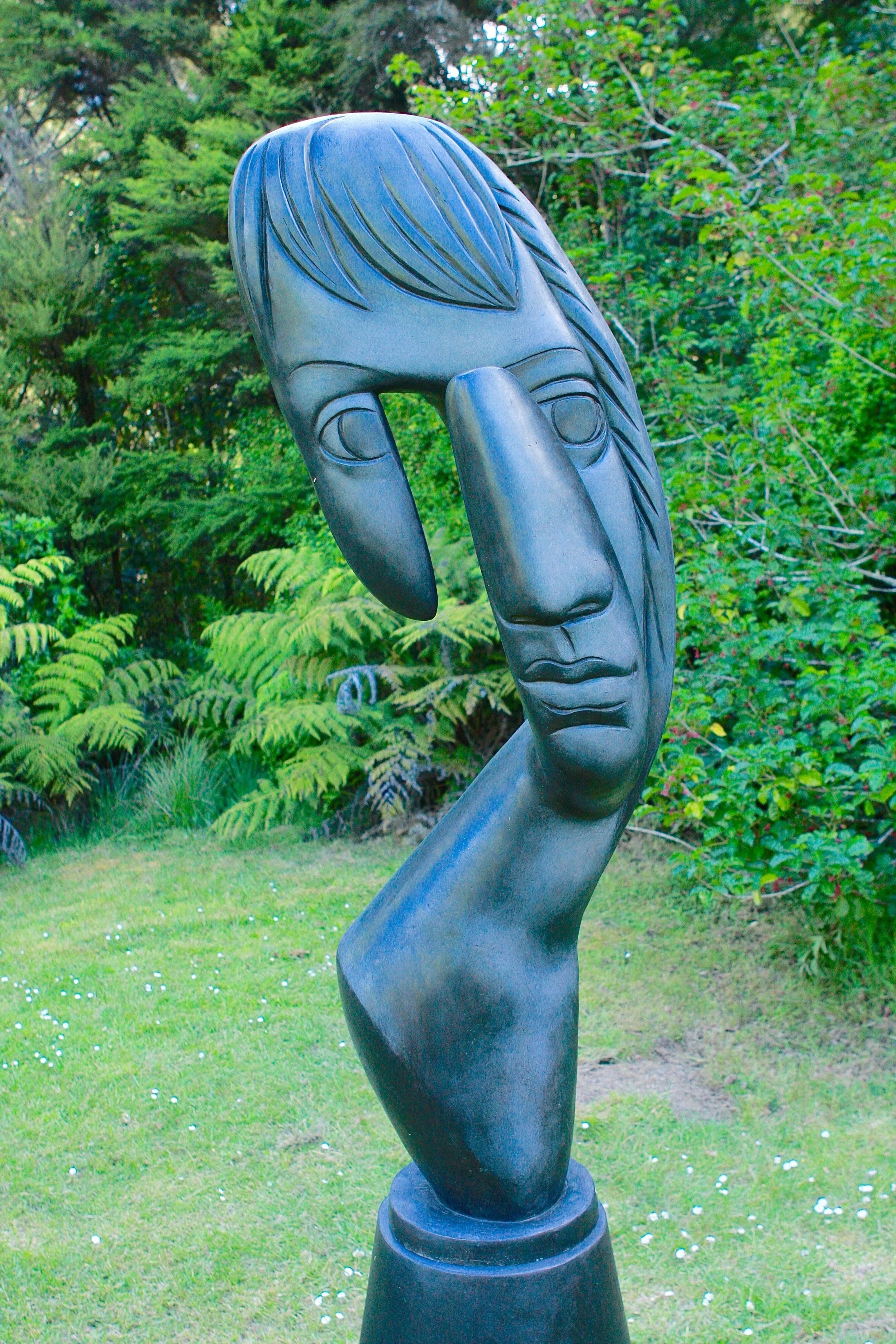
The Creation Of Adam, 2017,
Bronze, 2300mm
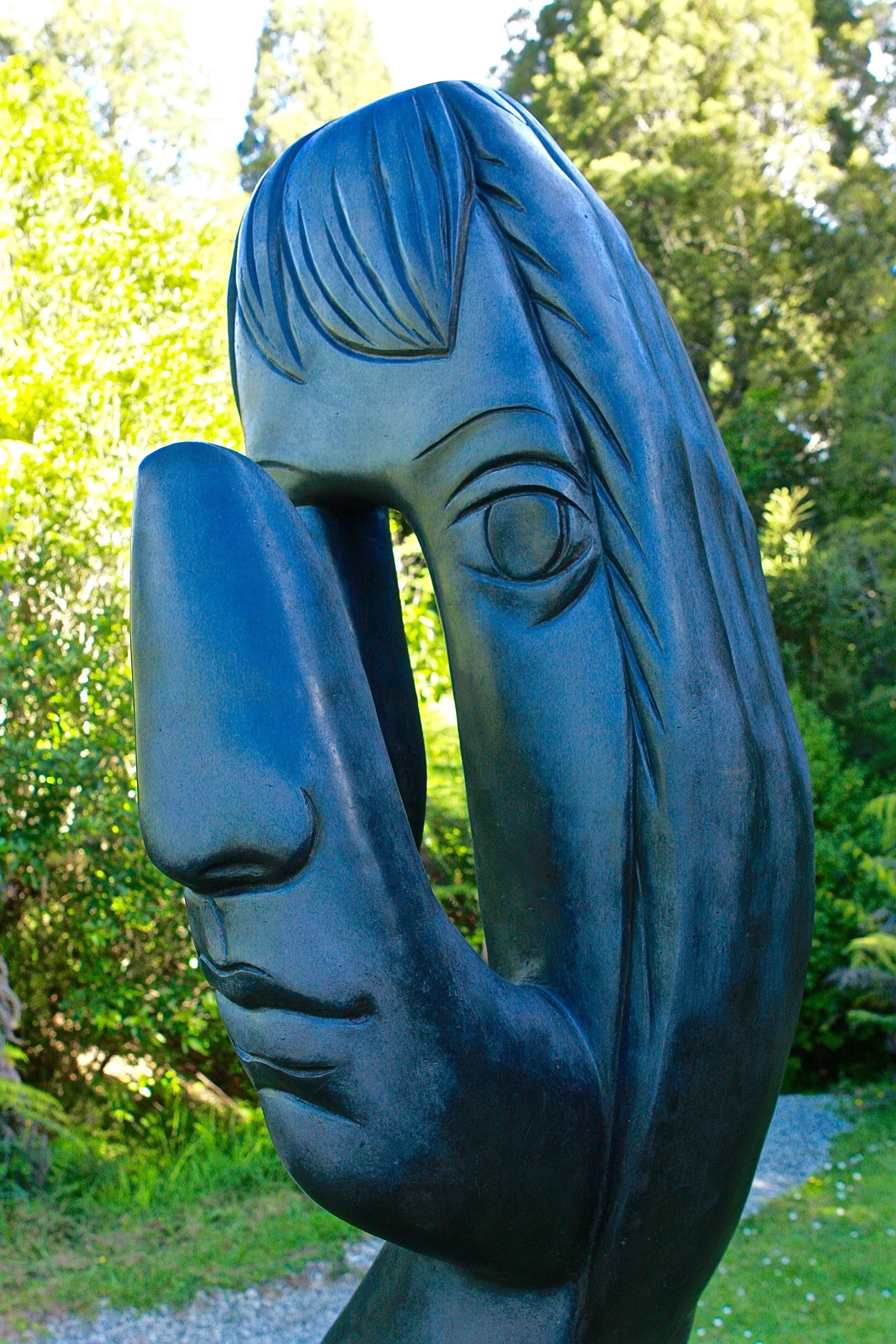
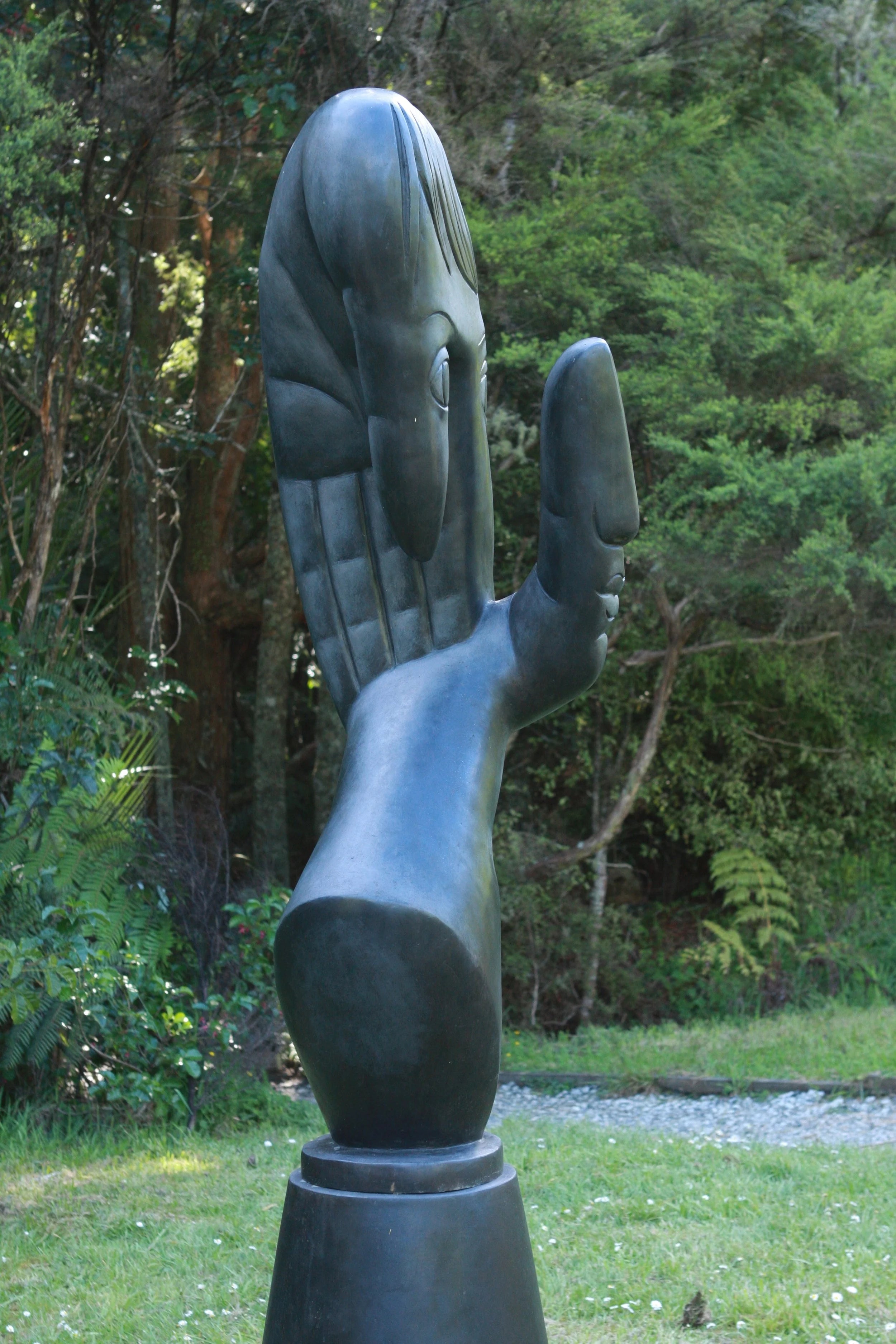
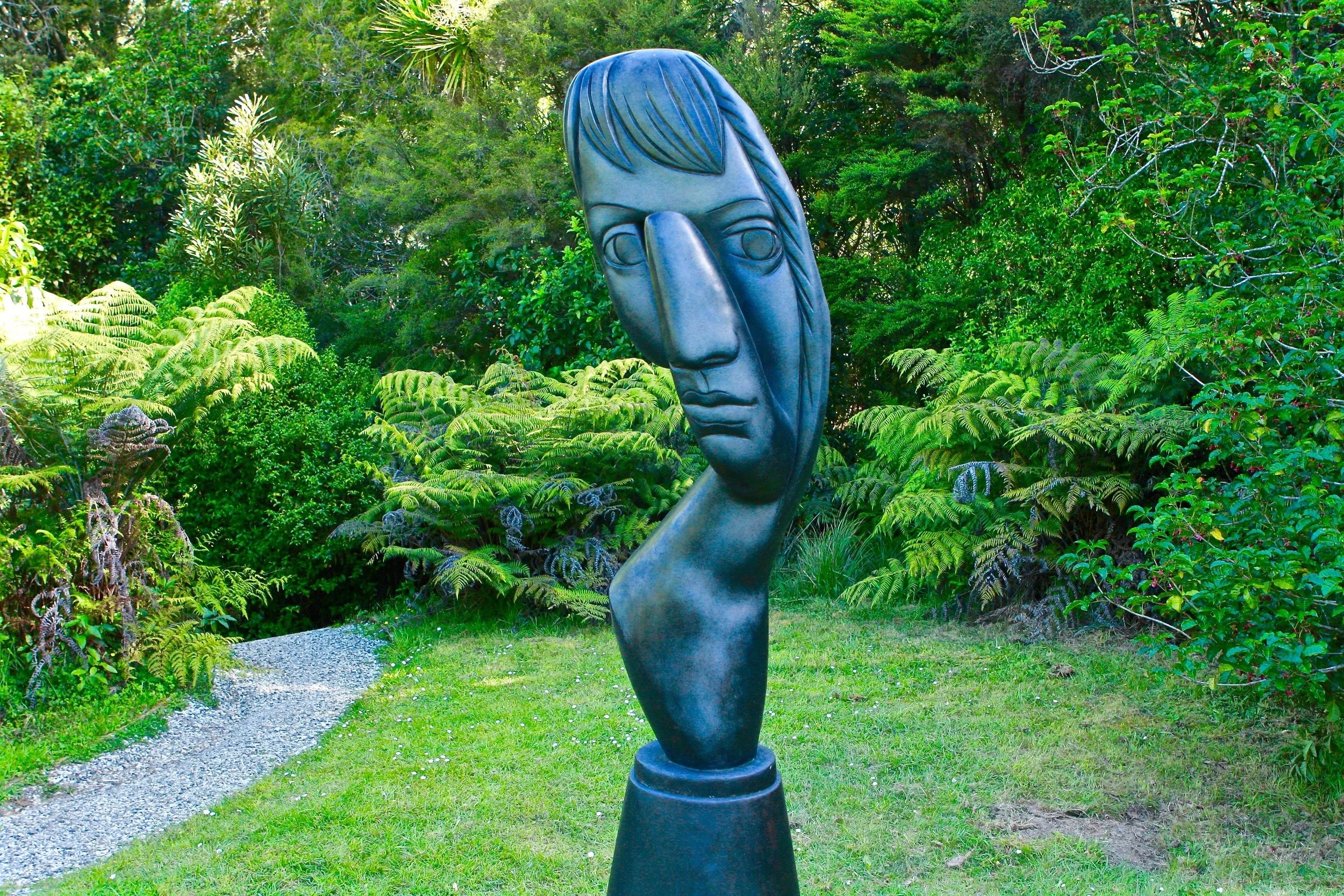
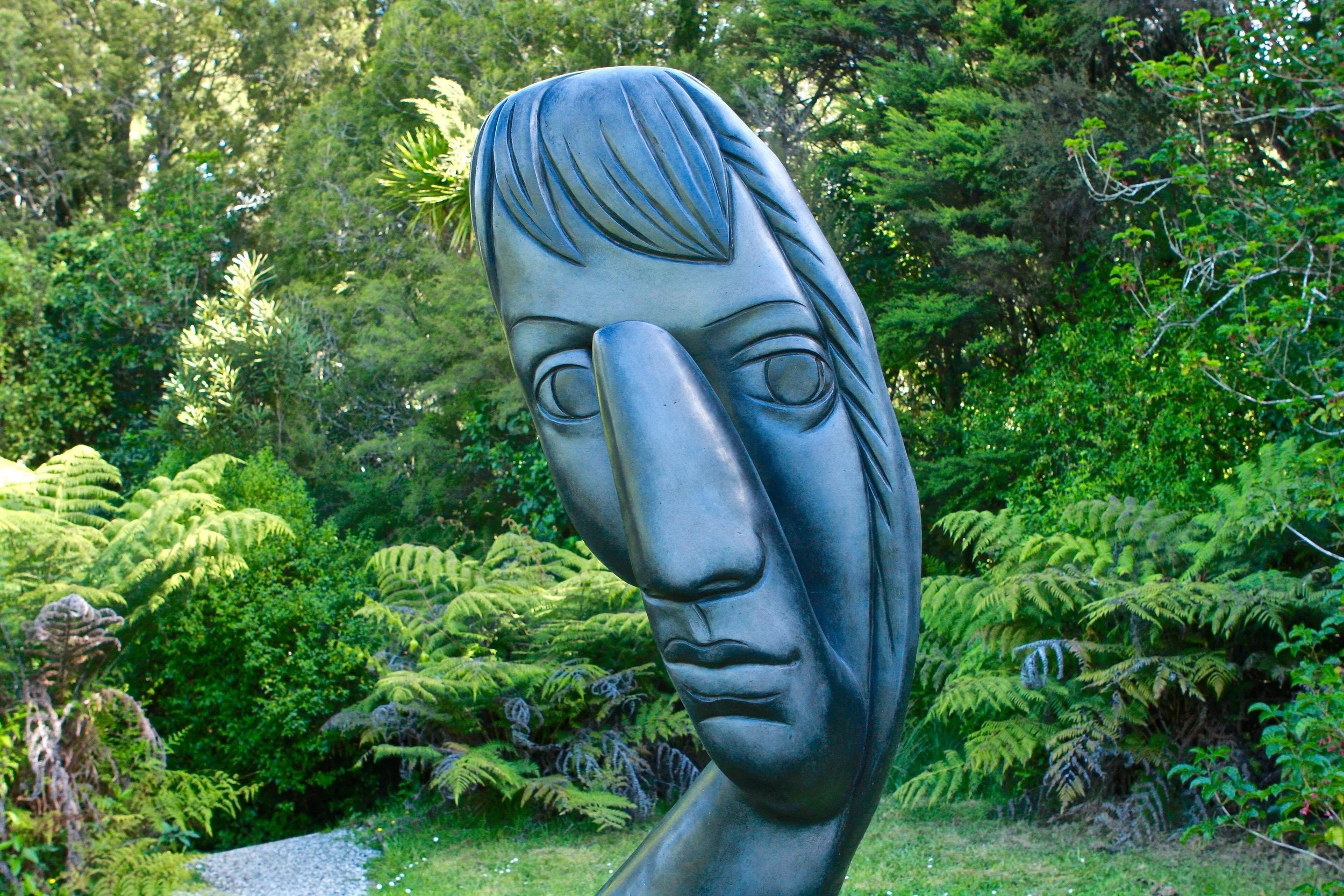
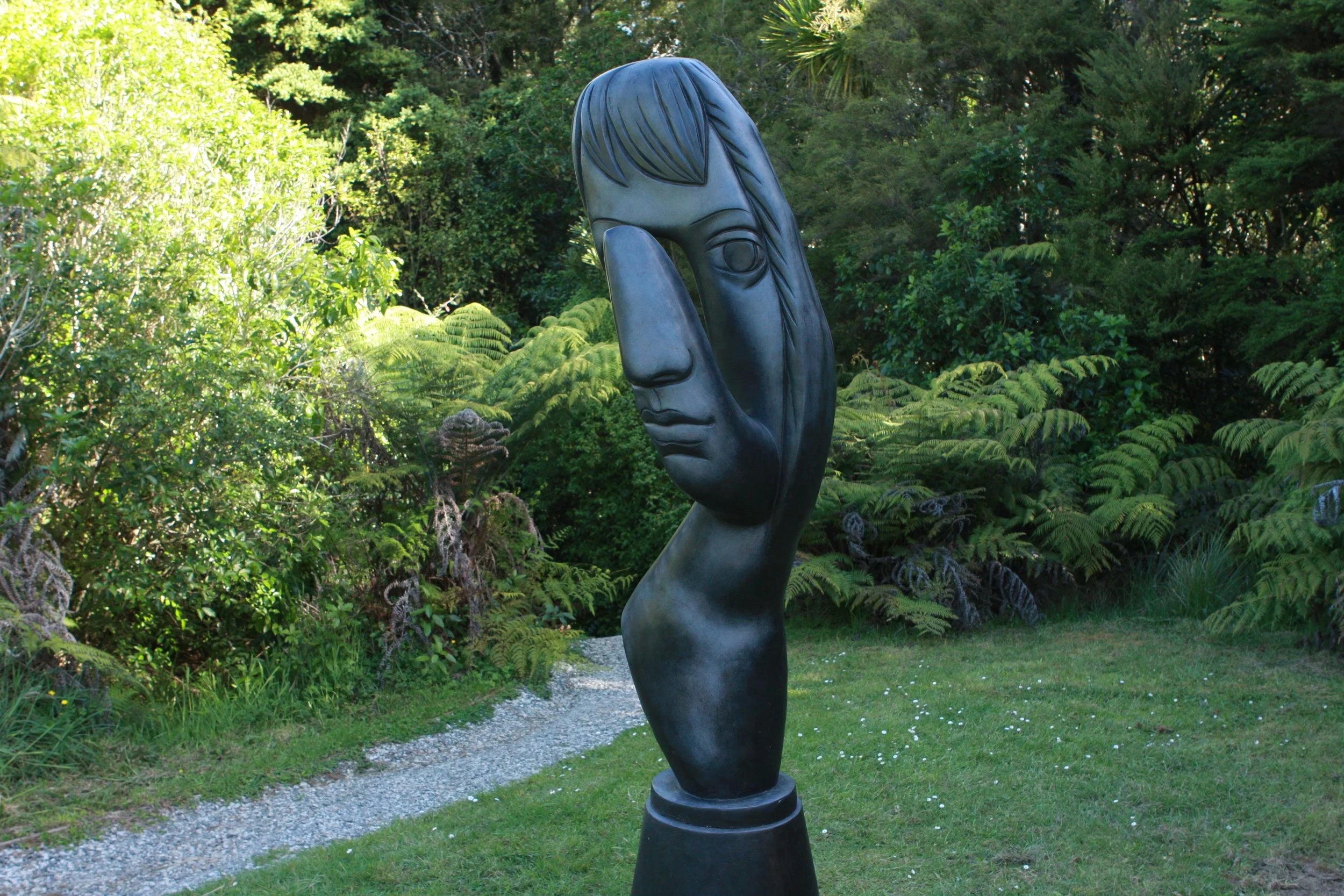
Terry Stringer’s The Creation of Adam moves in and out of focus. Stringer likens his sculpture to “climbing out of a valley to see another point of view” with our perspective changed when we look at something with our feet planted in a different place. The Creation of Adam is inspired by the biblical story about the origin of humankind, where God creates Adam from dust and places him in the Garden of Eden. The sculpture depicts a pause in the midst of this creation, attestant to an artist whose work consistently blurs the expression of movement and form, the real and the illusory.
Faithful to the soft forms of clay and the rhythms one can achieve in creating flowing outlines, Stringer then casts and fixes the work in bronze, finished with a wax patina. The dimensionality and handling of viewpoints pursues similar methods to those first explored by the Cubist artists in the early 1900s. He offers a nod to his childhood with the depiction of a narrative, noting “when I was young I used to stare at sepia photographs of classical art in an encyclopaedia....so ‘Great Art’ reached down to me in New Zealand. This is the past that my sculpture remembers. We are all made whole out of the parts of our childhoods...I seek to tell my story in fragments.”
More from this artist
Artist Bio
Terry Stringer ONZM was born in England in 1946 and came to New Zealand in 1952. He achieved a Diploma of Fine Art at Auckland University in 1967. Throughout his career, Stringer has received numerous accolades, including the Queen Elizabeth II Arts Council Scholarship three times. In the 2003 New Year Honours, he was appointed an Officer of the New Zealand Order of Merit for services to sculpture.
Stringer is best known as a sculptor, having made two notable public installations: the explosive Mountain Fountain for Auckland’s Aotea Square (located to the Auckland Cathedral in Parnell) and the similarly powerful white lightning bolt in Rotorua. Most of Stringer’s work, however, is done on a smaller domestic scale, with everyday figures and objects comprising his subject matter.
Stringer’s sculptures fill space in a way that manipulates rather than occupies it, some works using methods first explored by the Cubists in the early 1900’s. Not conforming to traditional illusionistic perspective, Stringer tilts the horizontal space towards the viewer, his bronzes seeming to deny their three-dimensionality as they appear slightly squashed and crumpled at the corners. In other works he enhances the depth instead of suppressing the volume – a skilful use of perspective and shading makes a wall-mounted relief appear to have depth where actually there is very little.
These works are part of the trompe l’oeil tradition, works playing on the ‘trick of the eye’. In his works Stringer does not attempt to make any political or environmental statements, rather the sophisticated objects he creates are to be enjoyed and contemplated upon, providing pleasure, nostalgia and a touch of humour.