

Gregor Kregar


Mathew 12:12 Cup, 2011,
Porcelain, Dimensions variable
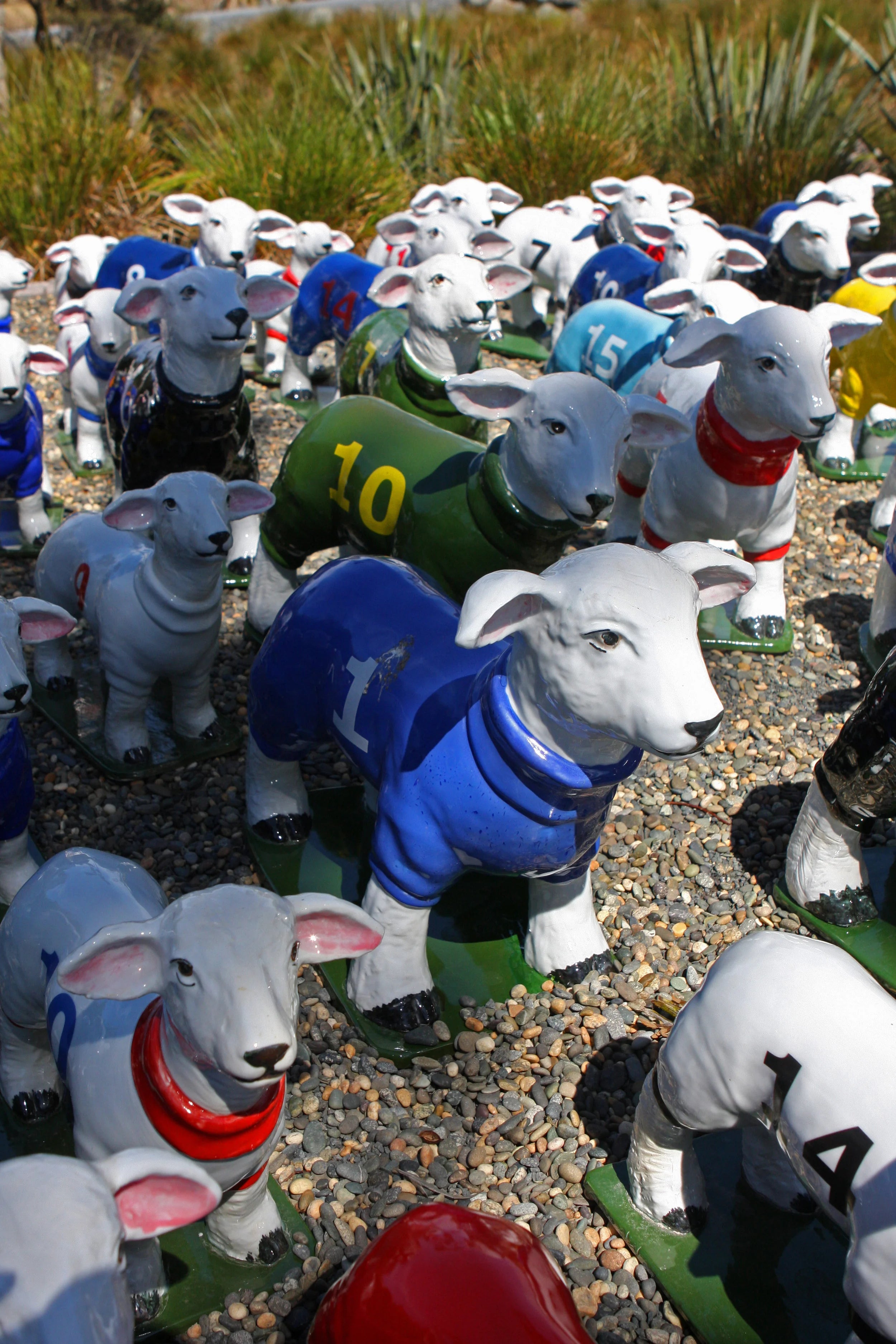
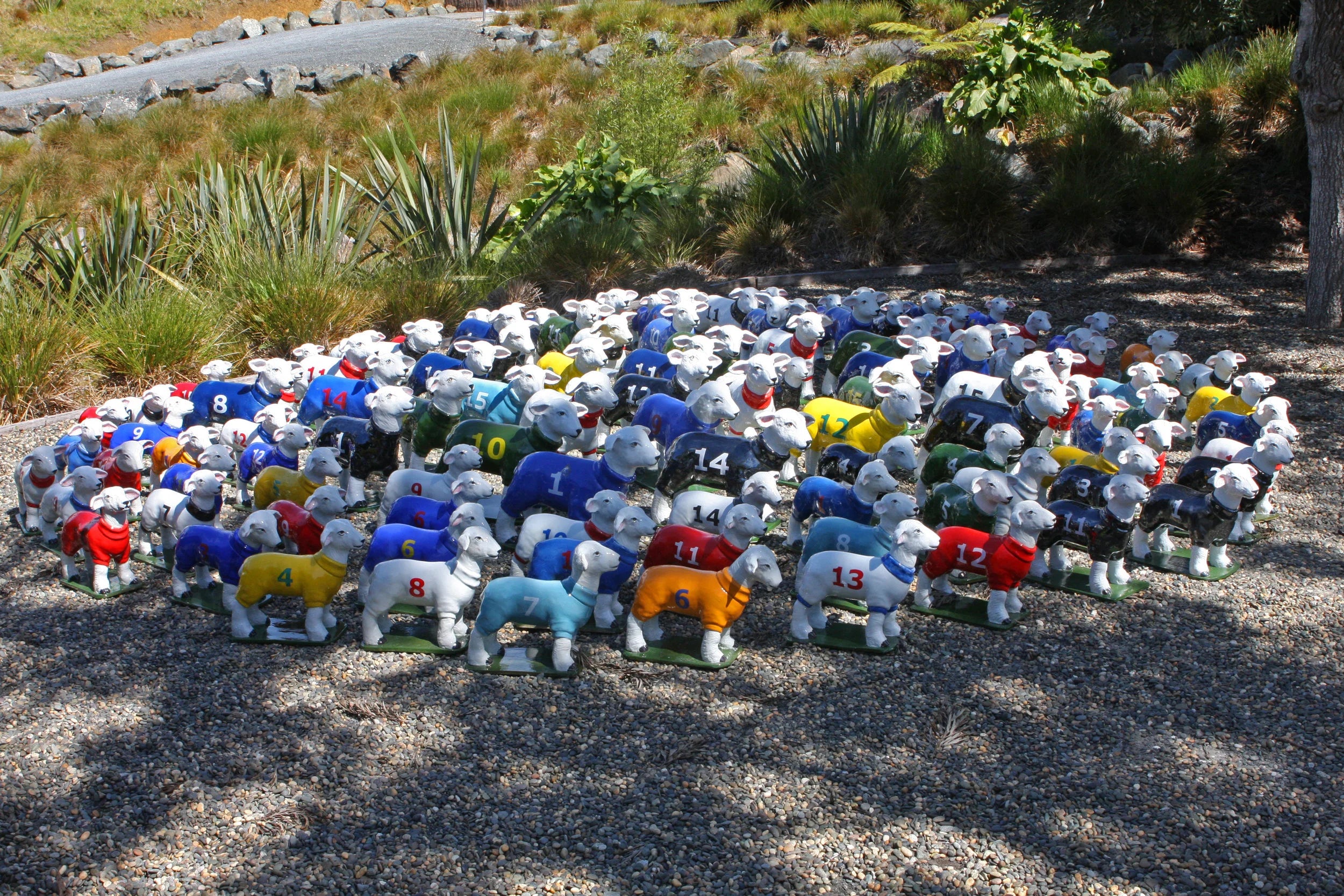
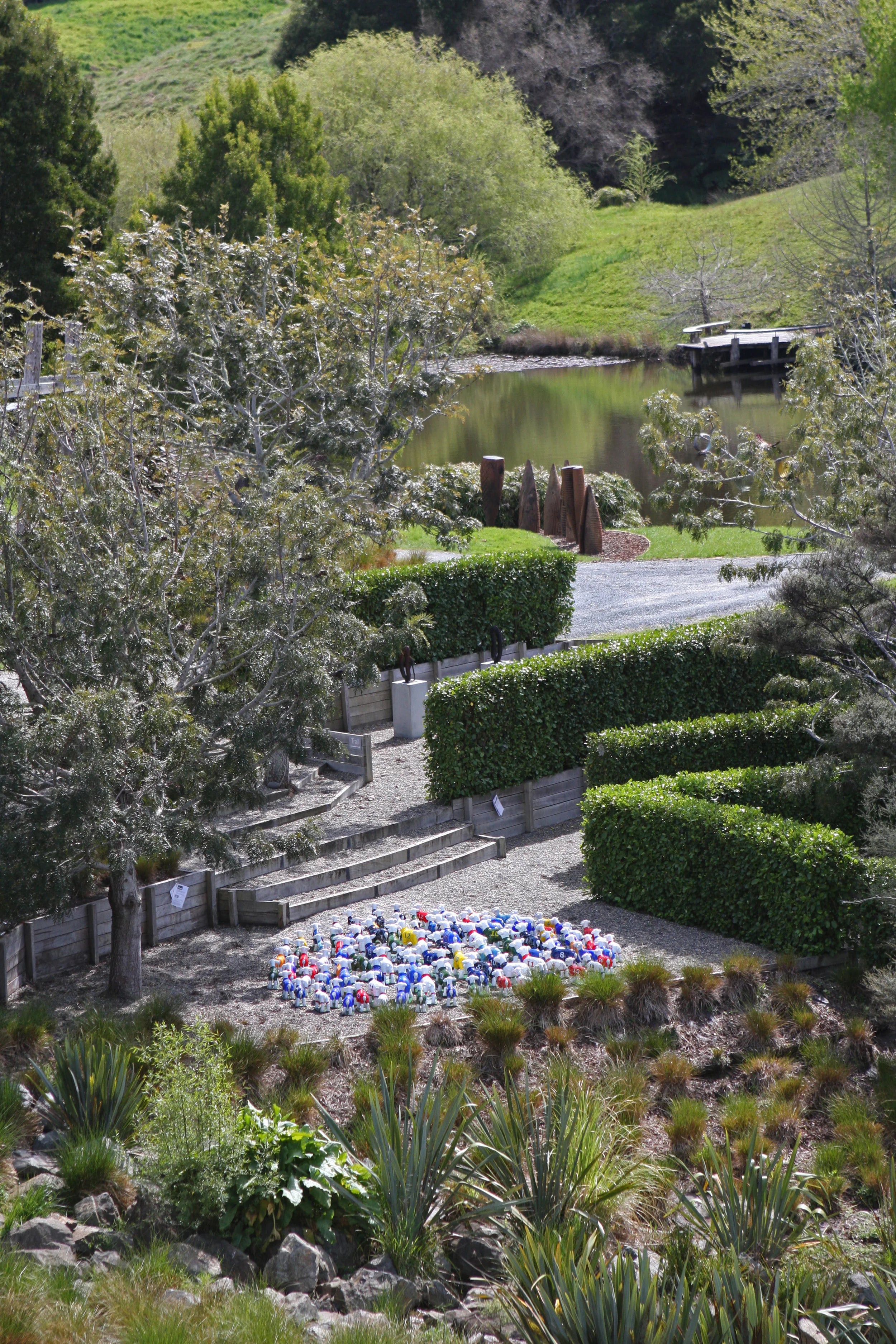
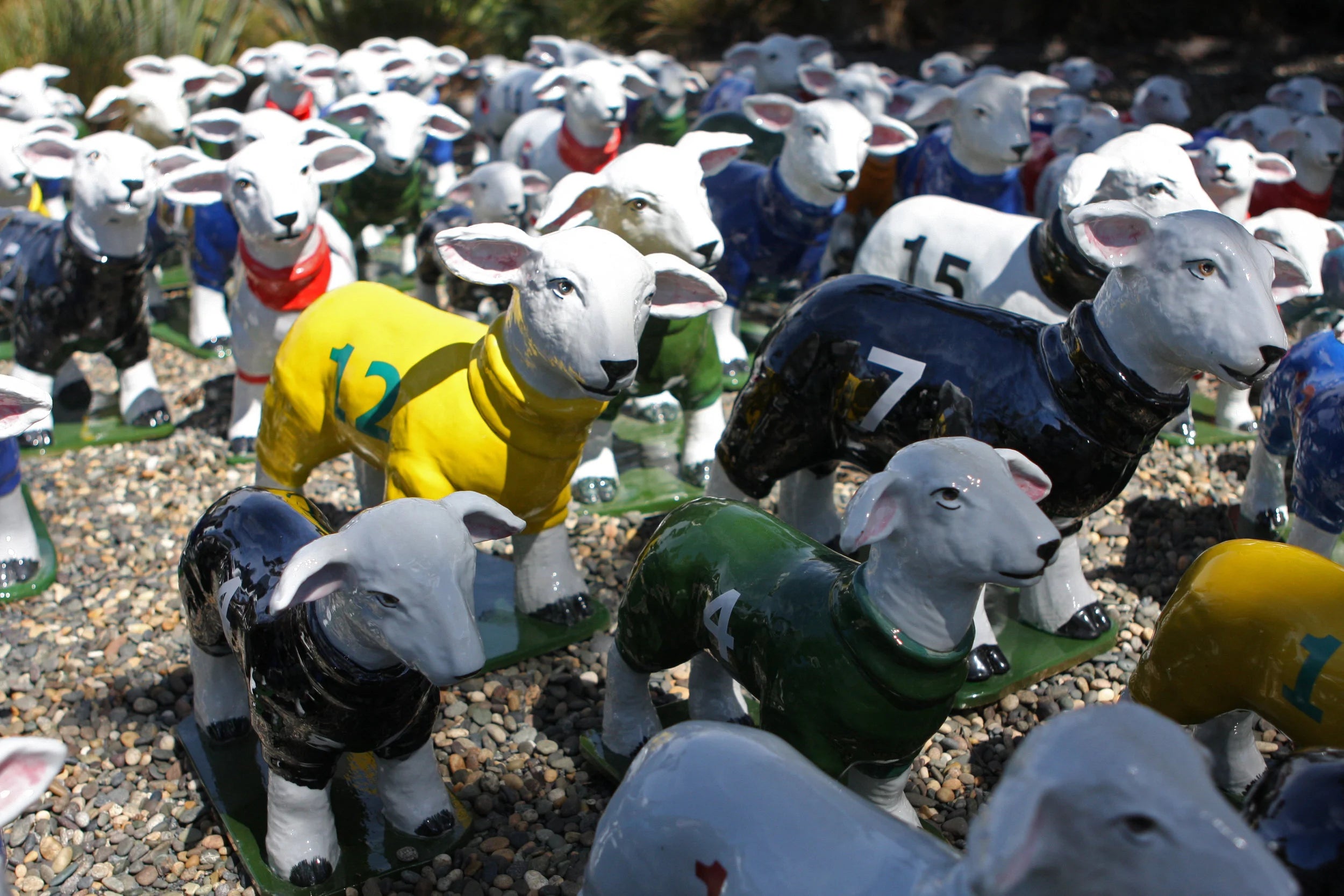
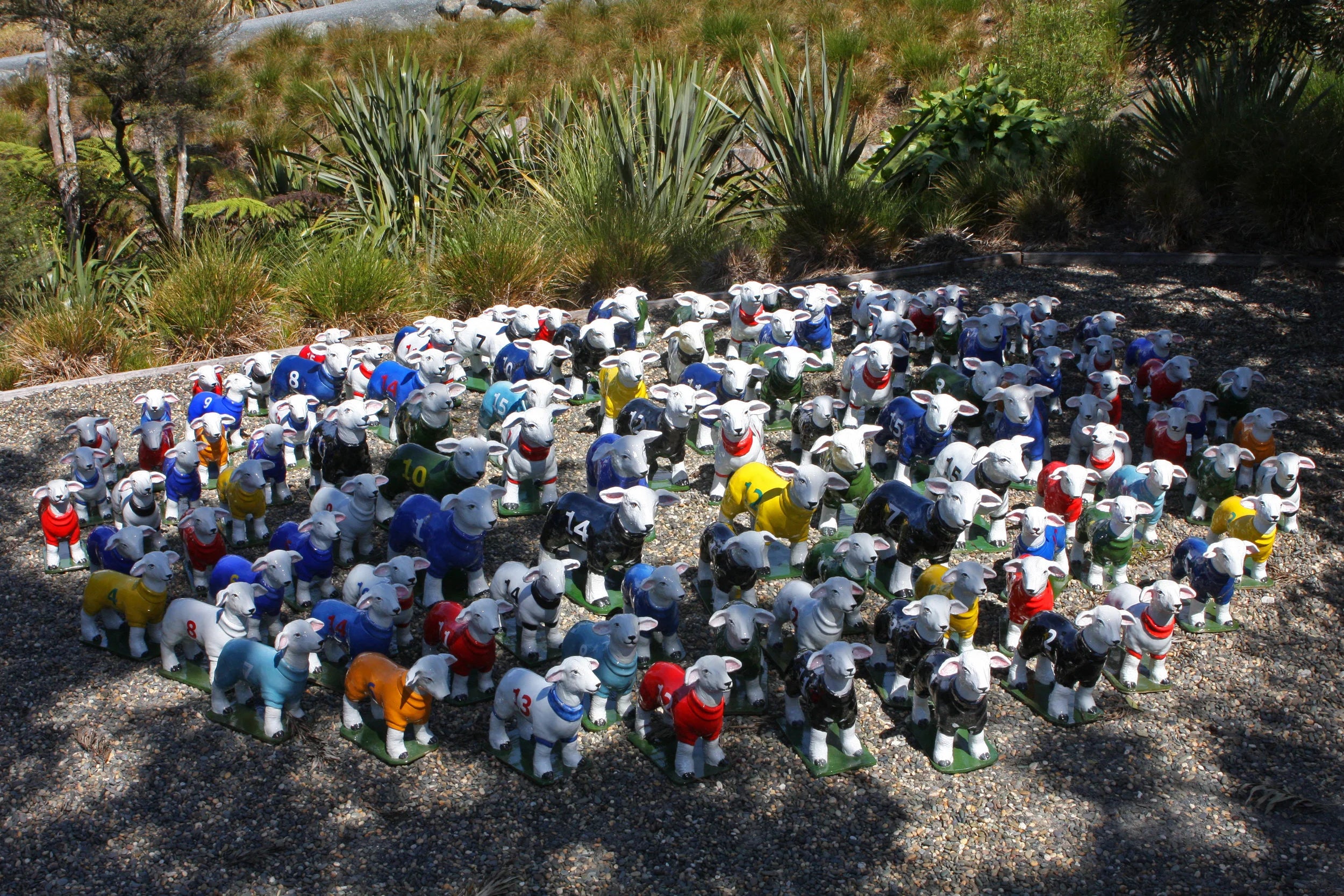
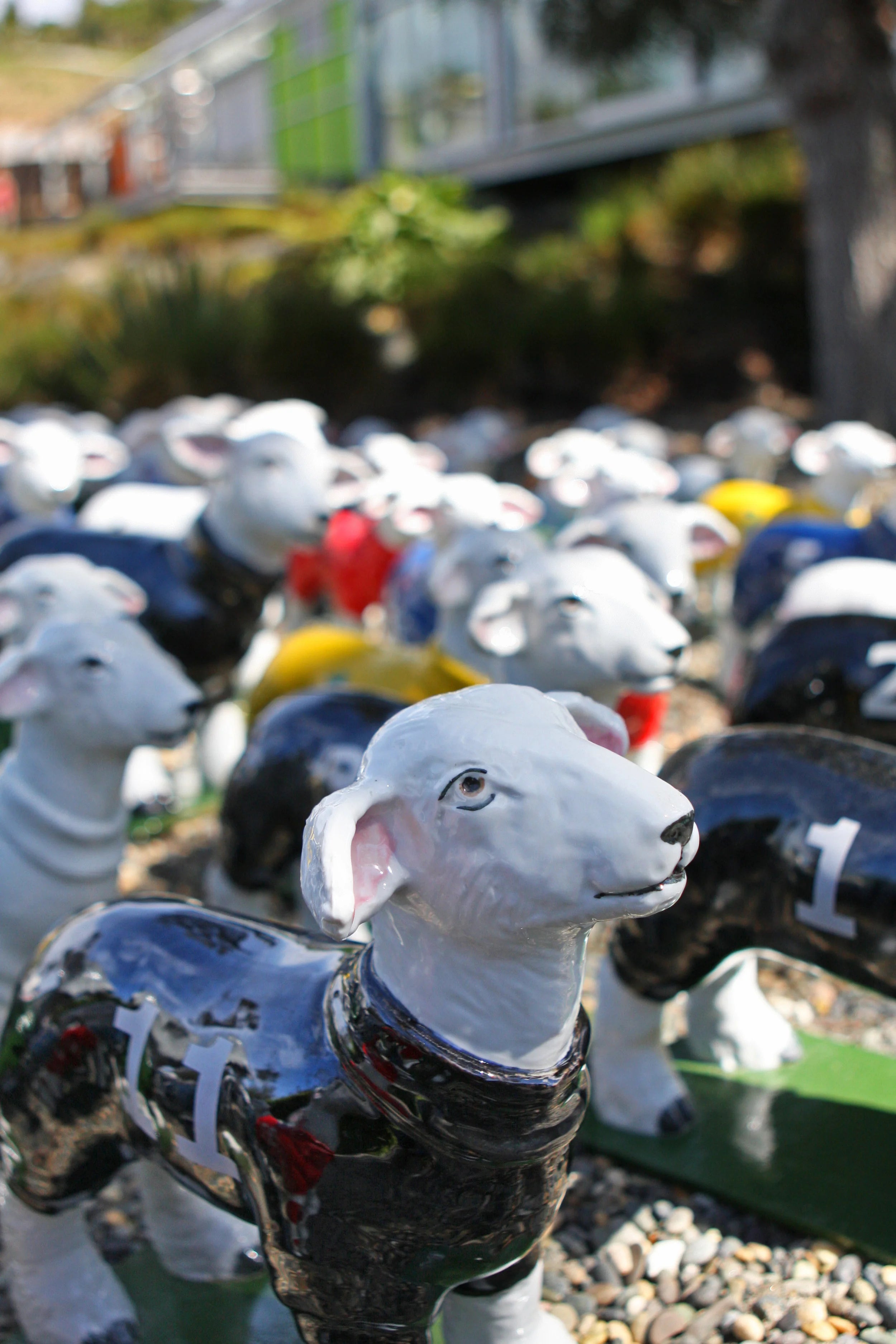
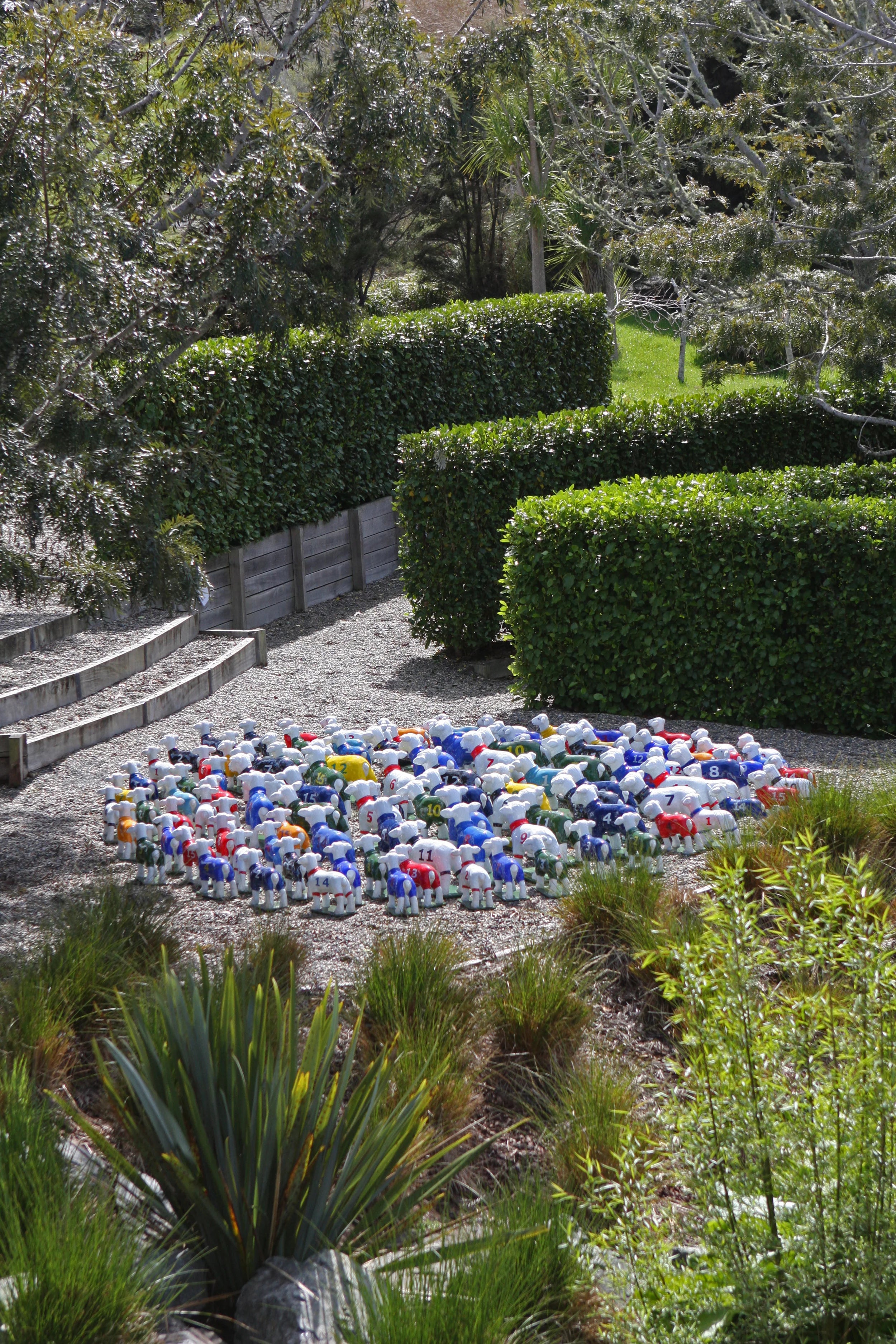
Matthew 12:12 Cup is an exhibition by sculptor Gregor Kregar featuring a collection of new porcelain sheep in national rugby jerseys, set to coincide with the 2011 Rugby World Cup.
Kregar continues his practice of displacing and disrupting the everyday to allow new and unexpected meanings to emerge. For this New Zealand based artist, nothing is quite as ubiquitous as sheep. They are a national icon, an economic mainstay and an unmistakable feature of the livestock landscape.
Kregar has previously investigated the role or sheep in society in his Matthew 12:12 projects where he dressed 12 live sheep in hand knitted woollen jumpers and placed them in white picket enclosures outside the Wellington and Christchurch City Art Galleries. Presenting this rural animal in such unlikely surrounding, urban audiences were confronted as to their assumptions of the ‘indistinguishable flock’ and to consider religious symbolism relating to sheep’s historical depiction and the number presented. But when transformed in porcelain and painted in highly saturated colours, they seem more at home in a tourist shop than in a pastoral setting. They ooze kitsch. Their sheer multiplicity further fractures their meaning, almost reducing them to trinkets.
However, these aesthetically invisible animals are invigorated by their splashes of colours, drawing them out from under their often missed white palate. We are forced to look at the overlooked. And they are disturbing –one cannot help but feel a little uneasy from confronting gaze of a flock of ceramic sheep. Behind their playfulness lies an unsettling swell of the uncanny. By elevating sheep to artistic subject, Kregar wreaks havoc with our conceptions of the ridiculous and the sublime.

More from this artist
Artist Bio
Gregor Kregar was born in Slovenia in 1972 and received his BFA from the Academy of Fine Arts, University of Ljubljana, Slovenia before moving to New Zealand and gaining a Master of Fine Arts from Elam Art School, Auckland.
Kregar is known for his diverse sculptural practice, working with materials such as glass, stainless steel, wood, plastic and stoneware and often accompanies his sculptures with light installations, soundtracks, photography and video.
“My practice is driven by ideas and I choose materials or media according to the concepts in my work,” says Kregar. “Part of what I find exciting about sculpture is experimenting with a range of different techniques and properties. I like pushing the limit of materials, taking them outside of their usual use or historical context, creating an element of surprise for the viewer.”
Kregar’s sculptures are often large-scale, commanding the attention of the viewer and deliberately subverting audience expectations. He often experiments with mundane subjects, playing with scale and repetition, creating a more curious and thought-provoking object.
He reflects: “I do like the idea that sculpture can potentially hold this more democratic value, apart from being viewed as a beautiful object. Quite often what people respond to and what so-called art experts respond to is different, but in that work I managed to push buttons for both audiences. I think it’s really good to see that contemporary art can do that. I enjoy it when works are successful on different levels.”
Kregar has exhibited widely in New Zealand and internationally, including Australia, the U.S.A, the U.A.E, Qatar and Europe. He has been invited to participate in several New Zealand and international art residency programmes, including in China and the United States. His work has been included in prestigious collections in New Zealand and around the world, such as Te Papa Tongarewa, Auckland Airport, Christchurch Art Gallery and the Francis J. Greenburger Collection in New York. His work has been recognised by multiple awards, including the 2000 Wallace Art Award.
Kregar now divides his time between New Zealand and the pursuit of projects and residencies overseas, which he says helps to keep his practice fresh and engaged with the wider art community: “Sculpture is always about solving problems. It engages me intellectually and physically – I like the boundless possibilities of what it can or could be. Also for me, sculpture is connected closely to reality and the world that surrounds us.”
-
 A Sound of Thunder: Orange TriceratopsA Sound of Thunder: Orange Triceratops
Gregor Kregar
+ Learn More- Regular price
-
$0.00 - Regular price
-
- Sale price
-
$0.00
-
 Diplodocus (Blue Copper Patina)Diplodocus (Blue Copper Patina)
Gregor Kregar
+ Learn More- Regular price
-
$850.00 - Regular price
-
- Sale price
-
$850.00


